

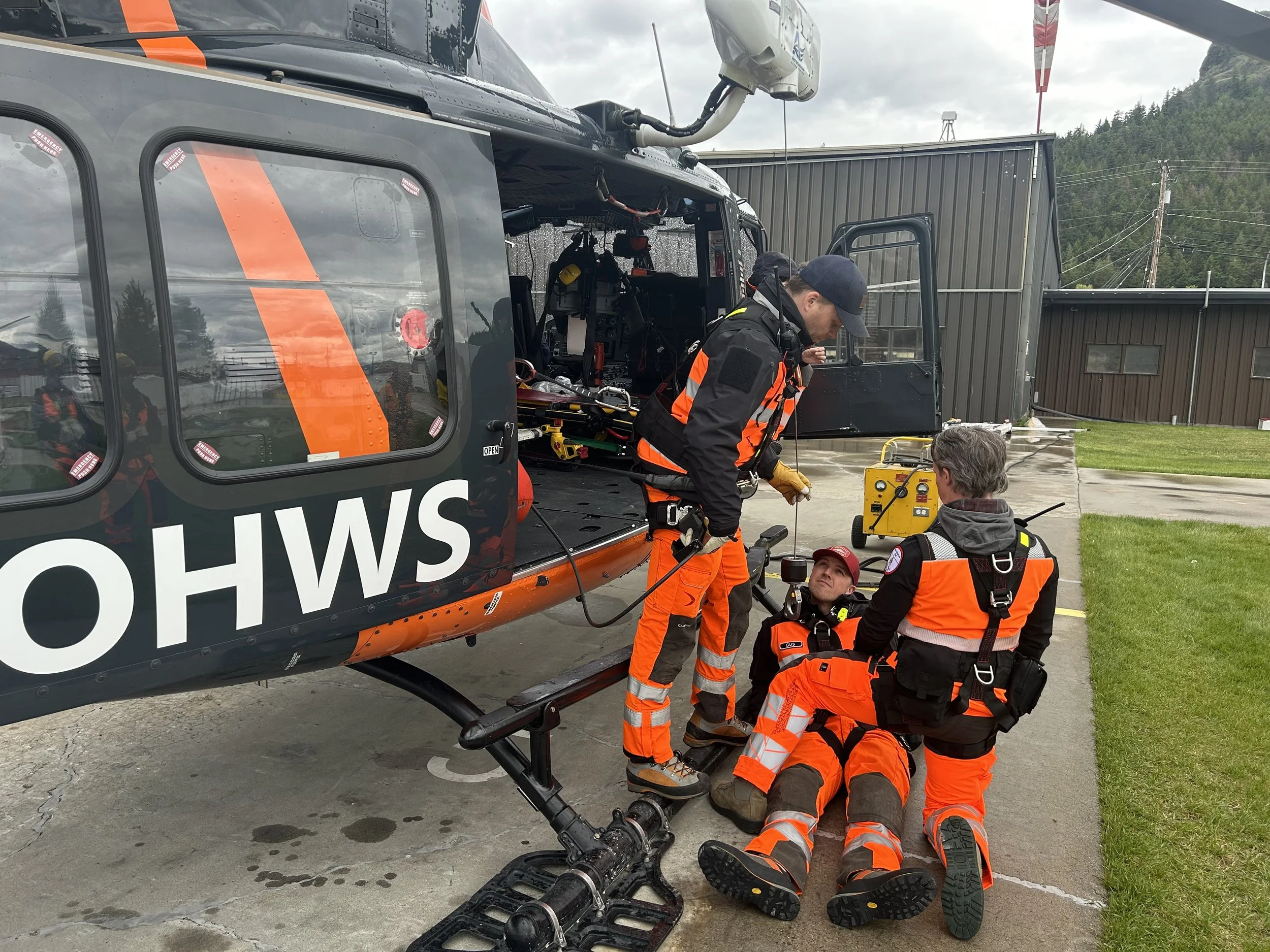
Training Programs
Explore our range of training programs designed to help you move forward with confidence, wherever you're headed next.
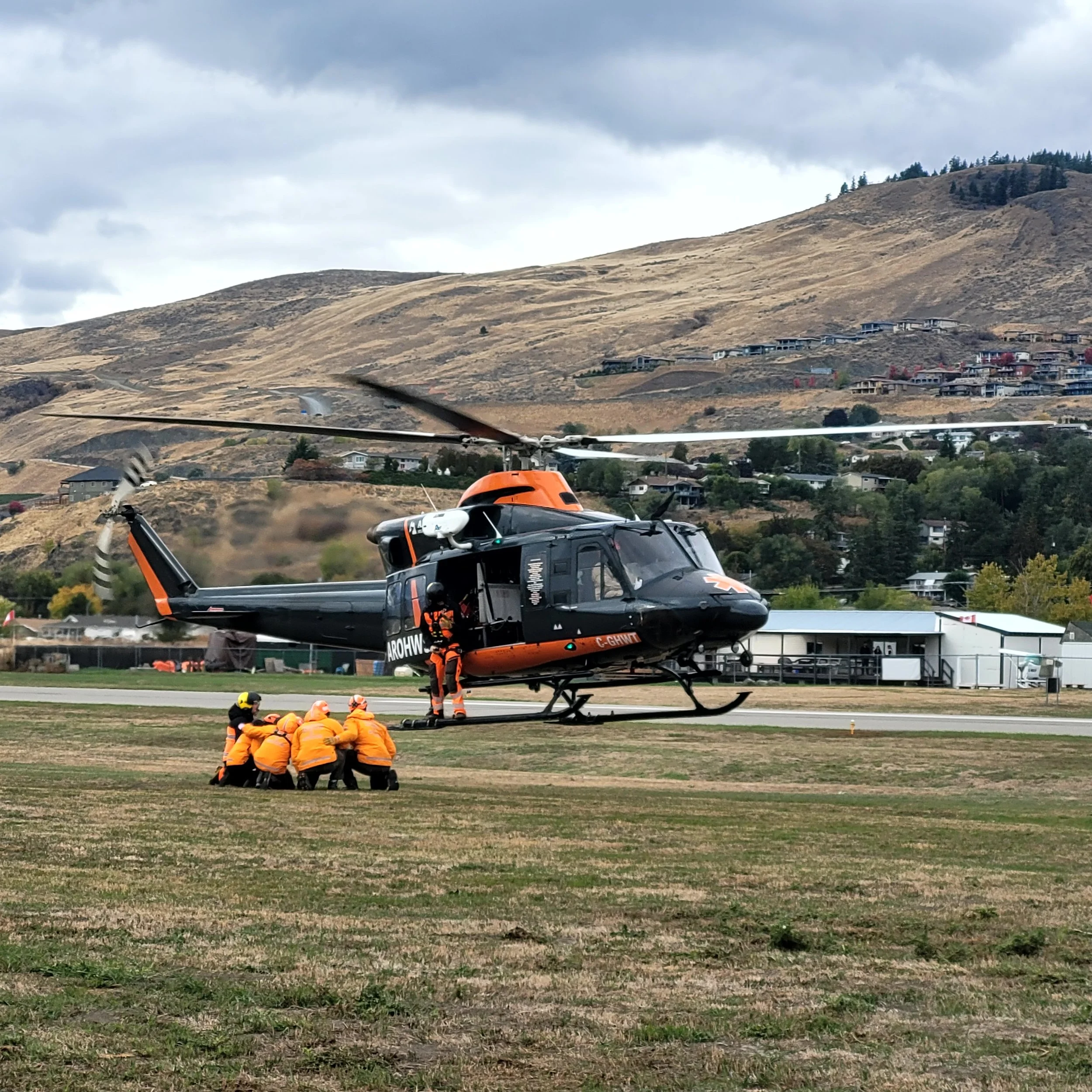
What We Offer
We offer a range of training programs to meet the needs of every client. Have something else in mind? We'd be happy to work with you to create a custom training program.
-
Duration: 4–6 hours
Student-to-Instructor Ratio: Up to 12:1 (ground-based)This foundational course provides ground-based orientation training for personnel new to helicopter-supported rescue operations or those requiring standardization prior to live aircraft training.
Course content includes:
Helicopter safety zones and hazard awareness
Aircraft types and configurations
Approach and departure procedures
Rotor wash and downwash considerations
Communications, hand signals, and terminology
Roles and responsibilities within a helicopter rescue environment
Introduction to hover and hoist operations
Intended for:
New SAR members, medical personnel, and partner agency staff integrating into helicopter rescue operations. -
Duration: 1 training day (approximately 6–8 hours)
Student-to-Instructor Ratio: Maximum 4:1 during live aircraft operationsThis course provides hands-on training in safe personnel movement into and out of a hovering helicopter in varied terrain and environmental conditions.
Course content includes:
Aircraft approach and departure considerations
Communication and crew coordination
Hover height and environmental factors
Personnel positioning and load management
Risk assessment and abort criteria
Integration with flight crew and rescue specialists
Intended for:
SAR technicians, rescue specialists, and operational personnel required to conduct hover operations. -
Duration: 2 training days
Student-to-Instructor Ratio: Maximum 3:1 during live hoist operationsThis advanced course covers Class D hoist operations, including insertion and extraction of personnel and equipment in demanding rescue environments. This course provides the foundation for Class D Hoist Operations. This course is a prerequisite to patient packaging and Class D rescue techniques.
Course content includes:
Hoist system components and limitations
Class D operational procedures
Communication protocols and hand signals
Personnel insertion techniques
Emergency procedures and contingencies
Crew resource management during hoist operations
Training is conducted in coordination with qualified aviation partners and is aligned with applicable Transport Canada and operator-specific procedures.
Intended for:
SAR technicians, rescue specialists, guides, and agencies conducting or supporting Class D hoist operations. -
Purpose:
Maintain currency, standardization, and operational readiness for experienced teams.Content includes:
Annual or semi-annual refresher training
SOP updates and procedural changes
Scenario-based evolutions
Skill decay identification and remediation
Team integration for new members
Why it’s valuable:
Most SAR teams struggle with currency, not initial training. Transport Canada requires annual re certification for Class D Hoist Operations.Who it’s for:
Any Class D personnel requiring annual recertification for Class D Insertion and Extraction. -
The following medical courses do not provide certification. They are designed to support your current scope of practice and enhance professional development in the rescue environment.
Prolonged Field Care for Helicopter-Supported Rescue
Duration: 1 training day (approximately 6–8 hours)
Student-to-Instructor Ratio: Up to 6:1Purpose:
Manage patients when extraction or transfer is delayed due to weather, darkness, or aircraft availability.Content includes:
Extended airway and ventilation strategies
Analgesia and sedation considerations
Hypothermia prevention and management
Monitoring during prolonged packaging
Handoff planning
Rescue Analgesia & Pain Management
Duration: 1 training day (approximately 6–8 hours)
Student-to-Instructor Ratio: Up to 6:1Purpose:
Decision-making and safe use principles for analgesia in rescue settings.Content includes:
Pain assessment in austere environments
Non-pharmacologic strategies
Packaging considerations with analgesia
Monitoring and risk mitigation
Medical oversight integration
Patient Packaging for Helicopter Rescue
Duration: 1 training day (approximately 6–8 hours)
Student-to-Instructor Ratio: Up to 6:1Purpose:
This course focuses on safe and effective patient packaging for helicopter-based rescue and hoist operations, with an emphasis on clinical protection, packaging integrity, and aviation compatibility.
Course content includes:
Packaging principles for vertical and horizontal extraction
Litter systems and attachment methods
Airway, spinal, and hypothermia considerations
Packaging for confined, vertical, and complex terrain
Coordination between medical and aviation teams
Intended for:
SAR members, medical responders, and rescue personnel involved in patient handling during aerial operations.Airway Management for Helicopter & Remote Rescue
Duration: 4–6 hours
Student-to-Instructor Ratio: Up to 6:1
Purpose:
This course addresses airway management in the context of helicopter-supported and remote rescue, focusing on practical and safe techniques suitable for austere environments.
Course content includes:
• Airway assessment in confined and unstable environments
• Positioning considerations during hoist and transport
• Basic and adjunct airway techniques appropriate to rescue settings
• Managing airway risks during vertical and horizontal movement
• Integration of airway management with packaging and extraction
• Medical–aviation coordination and decision-making
Intended for:
SAR medical providers, rescue technicians, and personnel involved in patient care during helicopter operations.
Patient Packaging for Helicopter Rescue
Duration: 1 training day (approximately 6–8 hours)
Student-to-Instructor Ratio: Up to 6:1Purpose:
This course focuses on safe and effective patient packaging for helicopter-based rescue and hoist operations, with an emphasis on clinical protection, packaging integrity, and aviation compatibility.
Course content includes:
Packaging principles for vertical and horizontal extraction
Litter systems and attachment methods
Airway, spinal, and hypothermia considerations
Packaging for confined, vertical, and complex terrain
Coordination between medical and aviation teams
Intended for:
SAR members, medical responders, and rescue personnel involved in patient handling during aerial operations. -
Crew Resource Management (CRM) for Helicopter Rescue Operations
Duration: 4–6 hours
Student-to-Instructor Ratio: Up to 12:1Purpose:
This course provides CRM training tailored specifically to helicopter rescue and SAR environments, emphasizing communication, decision-making, and human factors in high-risk operations.
Course content includes:
Roles, authority gradients, and task sharing
Communication models for aviation-supported rescue
Situational awareness and workload management
Error recognition and mitigation
Decision-making in dynamic rescue environments
Integration between aircrew, rescue technicians, and medical personnel
Intended for:
Aircrew, rescue specialists, SAR leaders, and operational team members involved in helicopter rescue missions.Remote & Vertical Environment Risk Management
Duration: 4–6 hours
Student-to-Instructor Ratio: Up to 12:1Purpose:
Train teams to identify, assess, and manage operational risk in remote, steep, alpine, forested, and confined environments.Content includes:
Dynamic risk assessment models
Go / No-Go decision frameworks
Terrain, weather, and human factors
Abort criteria and escape planning
Integrating aviation and ground risk models
Confined Area & Technical Extraction Techniques
Duration: 4–6 hours
Student-to-Instructor Ratio: Up to 12:1Purpose:
Address rescues where standard hoist geometry is compromised.Content includes:
Tree wells, cliffs, gullies, and tight alpine bowls
Limited rotor clearance considerations
Patient and rescuer positioning
Packaging adaptations
Abort planning
Aircrew Rescue Medical Integration Workshop
Duration: 4–6 hours
Student-to-Instructor Ratio: Up to 12:1Purpose:
Break down silos between pilots, rescue techs, and medical personnel.Content includes:
Shared mental models
Mission brief and debrief standards
Decision-making authority and communication
Managing competing operational priorities
Scenario walk-throughs
Open vs Closed Cockpit concepts
Human Factors & Fatigue Management in SAR
Duration: 4–6 hours
Student-to-Instructor Ratio: Up to 12:1Purpose:
Address one of the largest contributors to incident risk: Humans.Content includes:
Fatigue recognition and mitigation
Stress, cognitive overload, and task saturation
Volunteer SAR realities
Personal and team responsibility models
SOP Review & Operational Readiness Assessments
Purpose:
Provide non-regulatory, peer-informed review of SAR helicopter rescue programs.Services include:
SOP alignment review
Training pathway recommendations
Equipment compatibility assessments
Risk and gap identification
Exercise Design & Scenario Facilitation
Purpose:
Help agencies design, run, and evaluate helicopter rescue exercises.Services include:
Scenario development
Safety oversight
Performance evaluation
Structured debriefing
-
AROHWS works with partner agencies to develop custom training solutions tailored to operational needs, terrain, aircraft type, and team experience.
Please contact us to discuss integrated or agency-specific training programs.
AROHWS regularly performs medical rescue in remote and hazardous terrain. How can our experience help your team grow?
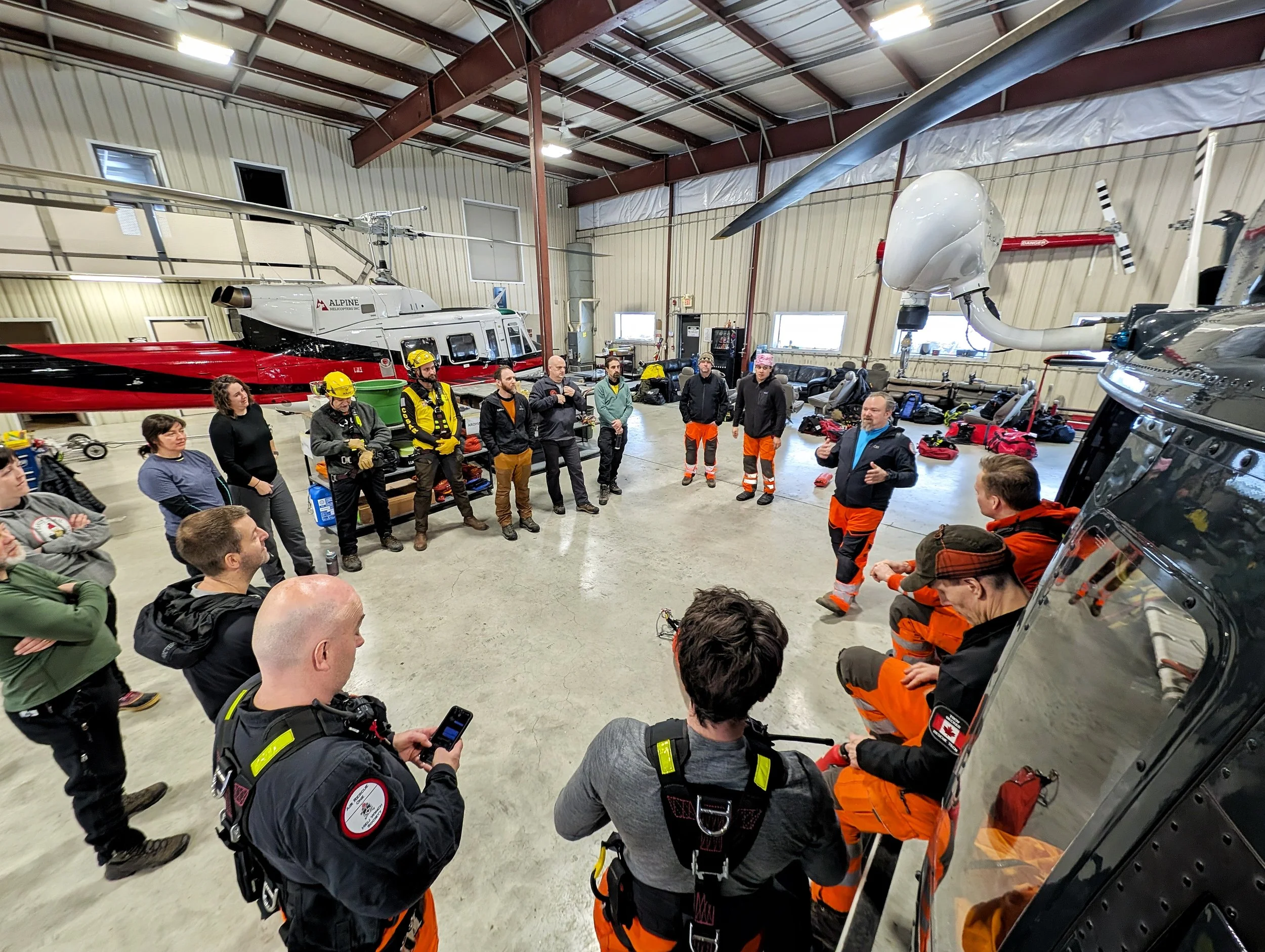
Our Process
Training Delivery
Courses may be delivered as stand-alone modules or combined into progressive training pathways
Training can be conducted at AROHWS facilities, partner aviation bases, or approved field locations
Delivery may include classroom instruction, ground practical training, and live aircraft operations (as applicable)
Governance and Safety
All training is delivered under AROHWS operational policies and procedures, with:
Emphasis on risk management and operational safety
Instruction informed by active rescue operations
Medical oversight provided through AROHWS medical directorship
Close coordination with aviation operators and agency leadership
Who We Train
Search and Rescue organizations
Helicopter operators and aviation-supported programs
Volunteer and professional rescue teams
Partner agencies requiring helicopter-integrated rescue capability
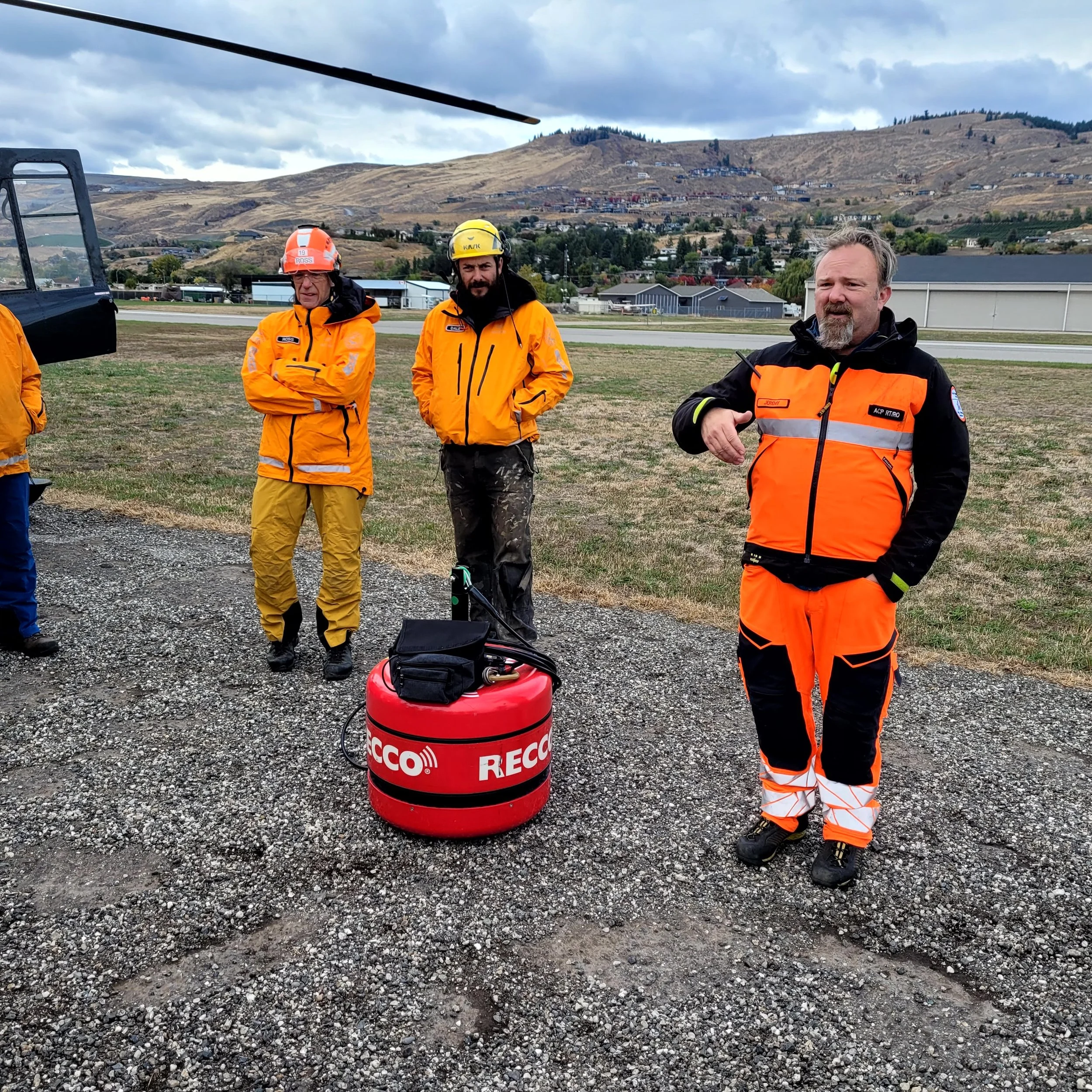
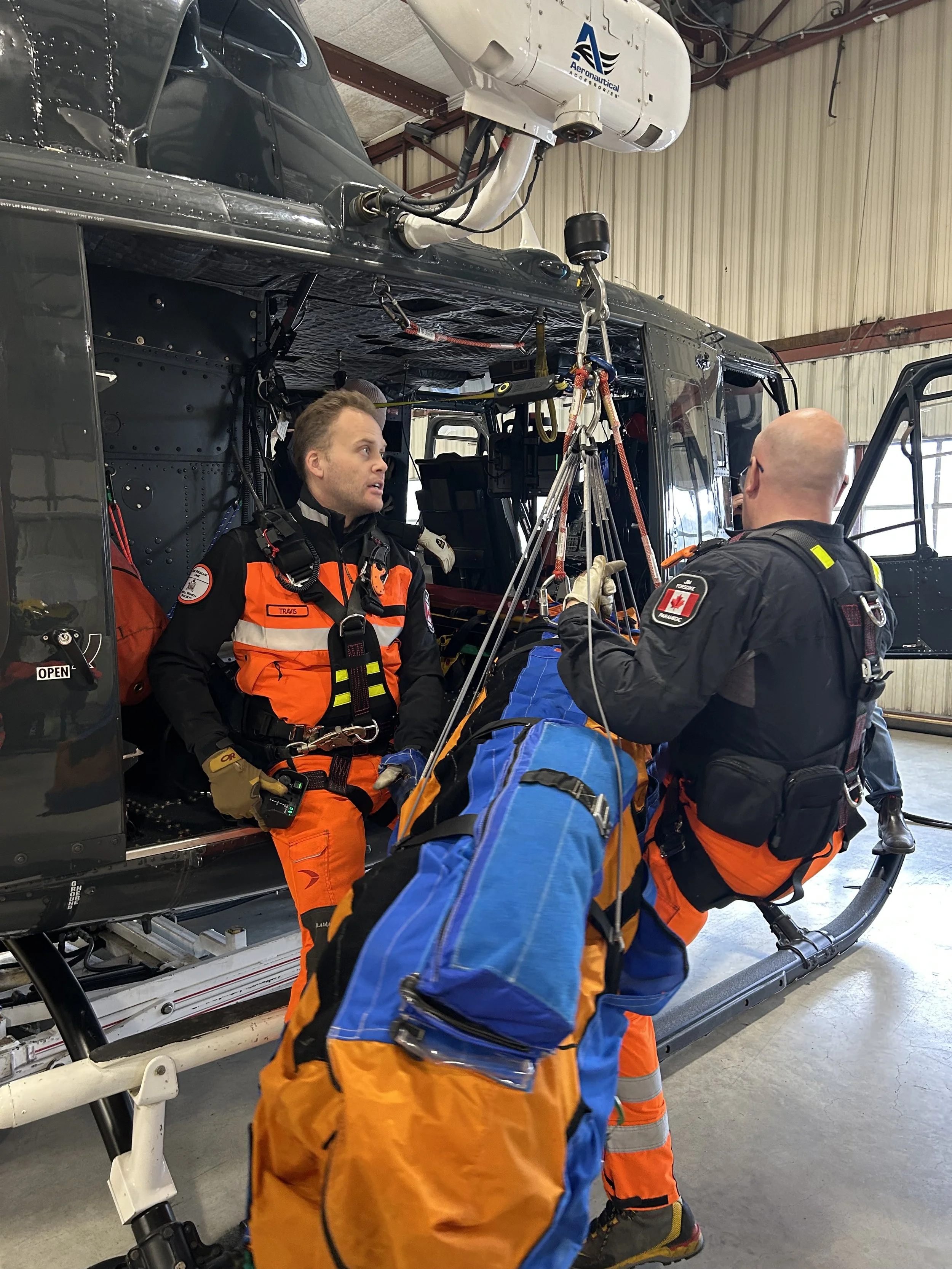
Past Training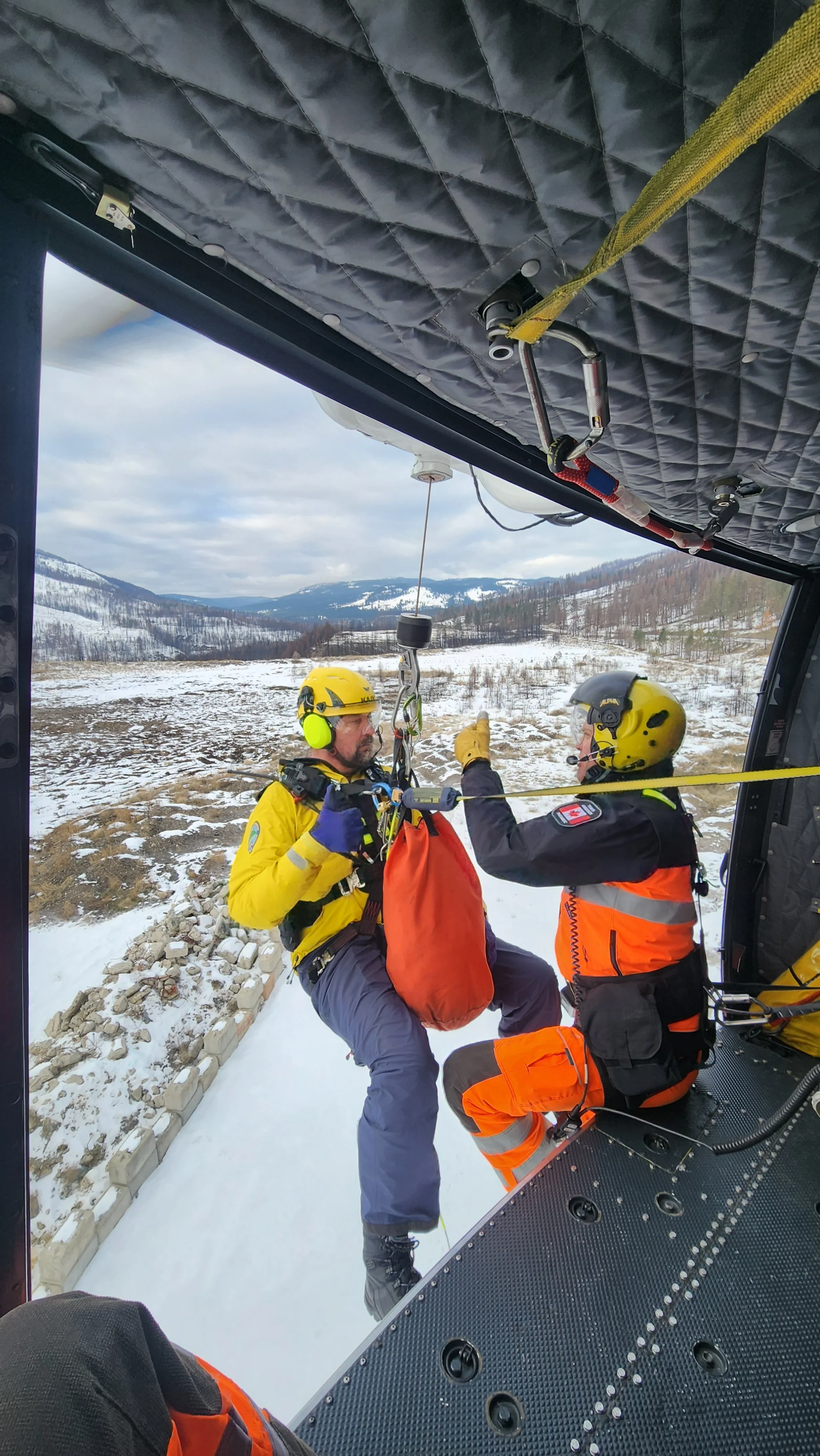
SAR Training
Let’s Work TogetherIf you're interested in working with us, complete the form with a few details about your project. We'll review your message and get back to you within 48 hours.